THE MUD HOME
  • Home
  • Start here
  • Building
    • Earthbag >
      • Rubble Trench Foundations
      • Earthbag in Extreme Weather
      • Earthquakes and earthbag
      • Superadobe or Hyperadobe?
    • Earth Plaster
    • Using Lime
    • Cob
    • Straw Bale
    • Wattle and Daub
    • Inspiration
    • Off-Grid Living >
      • Off-Grid Prep Course
    • Mud Building Blog
  • Books
    • Building Guides and Manuals
    • The Mud Series
    • Mud Ball >
      • Mud Ball Ebook
    • Dirt Witch >
      • Dirt Witch Ebook
    • The Mud Series Box Set
    • How to Make an Earthen Floor
    • The Off-Grid Roadmap
    • The Mud Home PDF Package
    • How to Build a Natural Home
  • About
    • Contact
    • Consultation
    • Mud Home Facebook Group
  • COURSES
    • ATULYA's In Person Workshops 2026
    • Perfect Earth Plaster Online Course
    • Lime for Beginners Online Course
    • The Off-Grid Roadmap
    • Mud Building PDF Package
  • Resources
  • My Projects
    • The Earthbag Home in Turkey
    • The Barn in Spain
    • Mud Mountain Blog

From Ruin to Remarkable

Renovators, heritage lovers, and barn converters ahoy! 
Whether you are just starting out or already up to your knees in rubble, my FREE email course will show you the pitfalls to avoid and the best way to proceed.
Get on the free course

Lime Wash

Picture

Lime is a natural substance. But it is caustic and can cause burns, so make sure you are properly protected before using or slaking it. The health and safety guide for lime is here.
How to use lime safely

Lime Wash: How and Why to Make it.

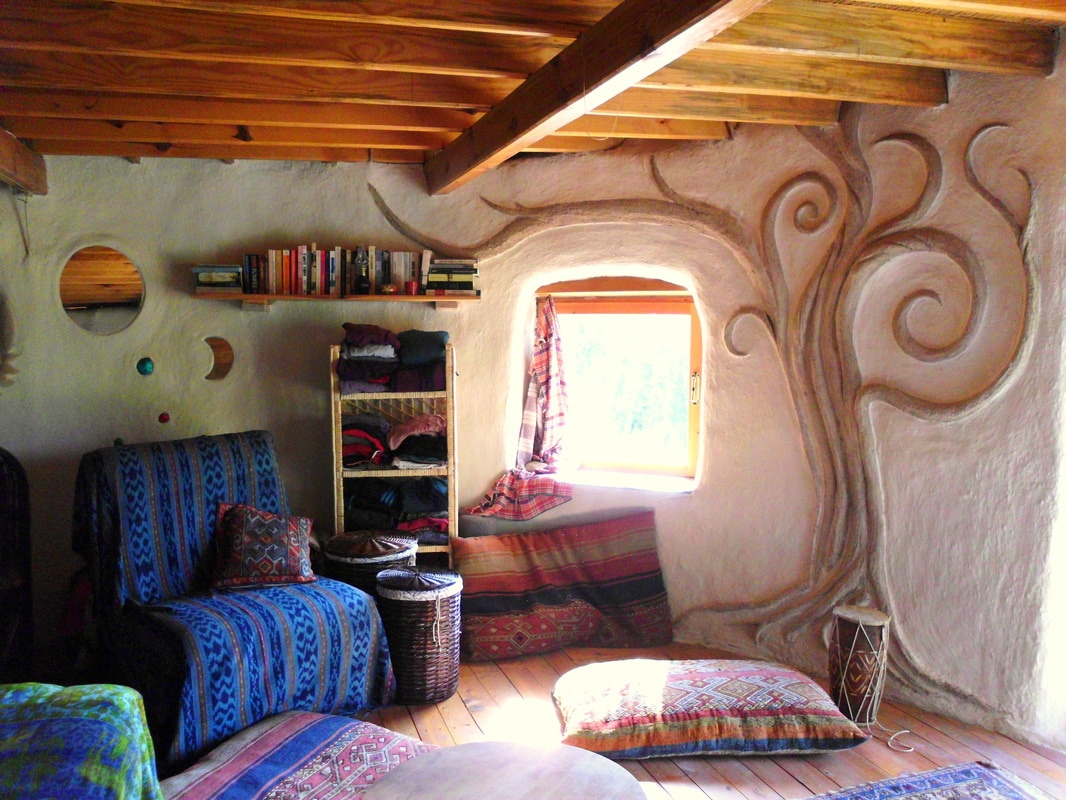
Earth plaster is beautiful. It has a warm, rustic texture that's soothing to the eye and pleasing to touch. I loved my grainy brown walls, and so did most other people, and I hummed and hawed about coating them in a lime wash. In the end I did. Why?

A lime wash is like the icing on your mud house cake. It holds the crumbs of sand on the wall, seals the plaster and keeps the bugs out. While I adored the rough mud texture of bare earth plaster, after a year I noticed issues. None of them were major. But here are the four reasons why I lime-washed.

1. Light. Earth plaster is rough and ready. It's the Hugh Jackman of the plaster world. But it has a dark side (don't they all). While I love cosy, warm caves, I also crave light. Earth plaster tends toward the dingy.

2. Dust. Without the lime wash, earth plaster alone creates an incredible amount of dust. I diligently swept my house every morning and never seemed to make significant inroads into the dust deposits. Window sills, door edges and alcoves were a devil to keep clean.

3. Insects. Lime is an insecticide, and I noticed as soon as I coated my walls in a lime wash that the amount of bugs in my home reduced drastically.

4. Repairing earth plaster is far more labour-intensive than simply whitewashing with lime. It requires another round of stomping of the mud, more mess in application and a longer drying time. No matter what you put on the walls, you need to maintain them. Lime is faster and easier for sure.

How to Make Lime Wash

Make sure you are dressed appropriately to protect yourself. Put a pint or two of lime putty in a bucket. Add casein (you can buy it as a powder or make your own from milk) or wheatpaste (about one part to 5 parts lime putty). Then slowly add water and stir (or whisk) until you've created a smooth, thinnish white paint.


Note: You need a binder like wheatpaste or casein to help seal the limewash, otherwise your whitewash may remain dusty, and can leave marks on clothes. If you can source good quality mature lime putty, a binder may not be necessary.

ANOTHER TRICK!
You can also add skimmed milk to the lime putty instead of casein powder to create an amazingly hard, protective finish. The casein in the milk reacts with the lime to form a strong, dust-free shell. 

COLOUR
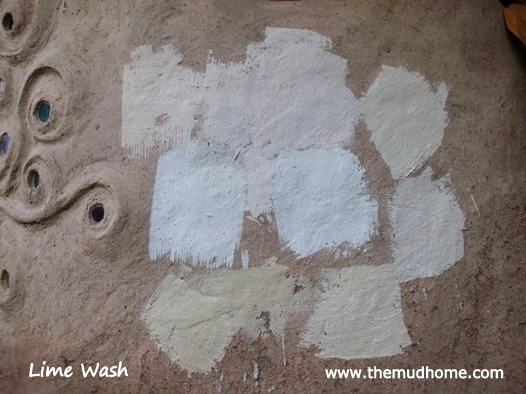
I wanted to avoid the traditional whitewash look and hoped to create a more wheaty colour. We tried out various natural home-made colours including turmeric, cinnamon and tea. Strong Turkish tea seemed to work the best. You can of course also buy natural paints to add to your lime. Just note that lime always whitens as it dries, so your finished colour will be far paler.

Picture

Three Reasons You Might Not Want a Lime Wash

Do I regret liming? No, but it's a close call. Here's three reasons you perhaps wouldn't want to lime your walls.

1. No matter what you do, lime always tends to whiteness. Strong, vibrant colours are hard to create naturally. So if you want that, you'll need to buy some natural paints. Even so, expect a high level of fading.

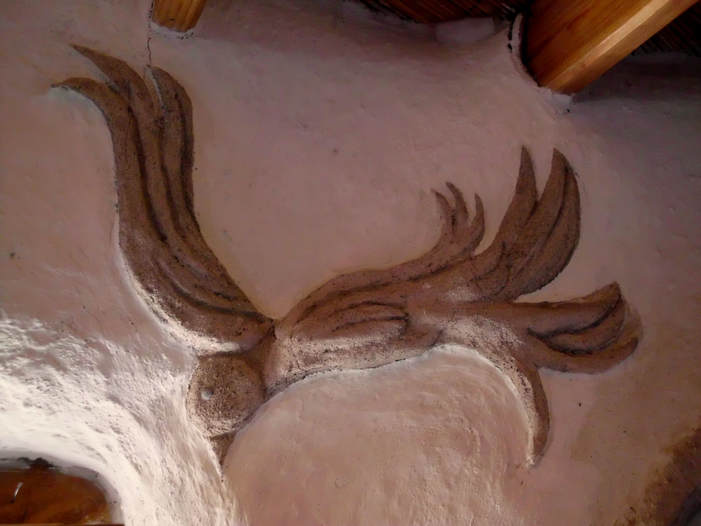
2. Lime definitely doesn't emit the same warmth as earth plaster, though lime does create another type of magical atmosphere. And there are tricks for increasing the cosiness, things like leaving earth plaster skirting boards, earth plaster sculptures and alcoves.

3. As mentioned above, if you don't add a binder, it can leave white dusty marks on your clothes or furniture.

How eco-friendly is lime? Isn't it just as bad as concrete?
Picture
Want to know how to use lime in more depth?
If you want to explore the Amazing World of Lime further, and learn how to use the white wonder, join my popular online course! It includes videos, slideshow lectures, and PDFs, and is completely downloadable.
Learn More
"This course is worth every penny. It totally cleared everything up for me and gave me the confidence to get started with lime." Kirsty Henderson, author of Portugal from Scratch.

Amazing Lime!
People are intimidated by lime which is a terrible shame. Lime is one of the most underused, useful and beautiful building materials out there. It's amazing stuff, and does nearly everything Portland cement does but better. Lime allows structures to breathe in a way Portland cement never can, significantly reducing the opportunities for mildew or damp in your building. It's softer and more malleable, and cures more slowly giving you time to work it beautifully before it sets. 

A Course for Beginners
This course will clarify which kind of lime to use where, and how. Simply. Without jargon. In a way that people without chemistry degrees can understand (relief right?) It will show you how to slake quicklime, create mortars, renders, limecretes and paints. Anyone can use lime, and this course will empower you to do just that.

  • Which kind of lime you should use for which job and in which climate
  • How to slake quicklime
  • How to mix and apply lime render
  • How to apply lime mortar and some tricks for a clean finish
  • How to deal with mortar guns when using lime
  • How to mix limecrete 
  • How to make a limecrete floor
  • How to use limecrete with tiles
  • How to create lime paint or lime wash with and without colours
See the course and all details/Sign up
Disclaimer: All the content in The Mud Home website is provided for informational purposes only. The author undertakes no responsibility for any person or entity who chooses to use the information on this website. It is not intended to be a standard and should not substitute for the exercise of good engineering judgment by engineers. It is the user’s obligation to make sure that he/she uses the appropriate practices and consults the appropriate experts when building. It is the user's obligation to make sure they are following health and safety guidelines. The author is not responsible for any accidents, injuries or damages to persons or property incurred while using the information presented in this website.

Some blog articles refer to the use of lime. Please note, lime is caustic and can cause burns. Read The Mud Home guide to using lime safely here.

EARTH PLASTER COURSE
LIME COURSE
BOOKS
NEWSLETTER
PRIVACY
SUPPORT

COLLABORATE WITH THE MUD HOME


Picture
Picture
The Mud Home takes many hours a week to run, and costs a lot to sustain. If you find this site useful or inspiring, please consider supporting it so that it can continue.

Picture

Many thanks to all those who've already become Mud Sustainers.

The Mud Home  Copyright © 2013-2026  Atulya Kerry Bingham
  • Home
  • Start here
  • Building
    • Earthbag >
      • Rubble Trench Foundations
      • Earthbag in Extreme Weather
      • Earthquakes and earthbag
      • Superadobe or Hyperadobe?
    • Earth Plaster
    • Using Lime
    • Cob
    • Straw Bale
    • Wattle and Daub
    • Inspiration
    • Off-Grid Living >
      • Off-Grid Prep Course
    • Mud Building Blog
  • Books
    • Building Guides and Manuals
    • The Mud Series
    • Mud Ball >
      • Mud Ball Ebook
    • Dirt Witch >
      • Dirt Witch Ebook
    • The Mud Series Box Set
    • How to Make an Earthen Floor
    • The Off-Grid Roadmap
    • The Mud Home PDF Package
    • How to Build a Natural Home
  • About
    • Contact
    • Consultation
    • Mud Home Facebook Group
  • COURSES
    • ATULYA's In Person Workshops 2026
    • Perfect Earth Plaster Online Course
    • Lime for Beginners Online Course
    • The Off-Grid Roadmap
    • Mud Building PDF Package
  • Resources
  • My Projects
    • The Earthbag Home in Turkey
    • The Barn in Spain
    • Mud Mountain Blog